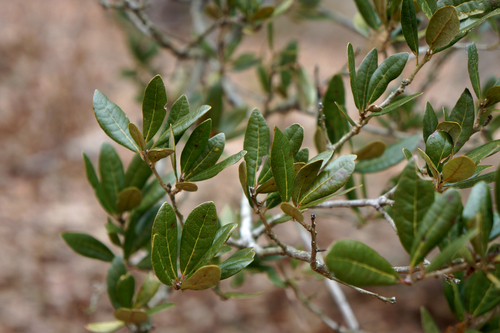
Usos en Paisajismo
Etiquetas de Estilo
Guía de Cultivo para el Sur de Florida
Requisitos de Luz
Requisitos de Agua
Once established (12–18 months), Live Oak is drought-tolerant and requires minimal supplemental irrigation in South Florida.
Drought tolerant once established (18-24 months). During establishment, water 2x per week. After establishment, rainfall is generally sufficient in South Florida. Avoid chronic overwatering — root rot and crown decline in poorly drained soils. No supplemental irrigation on established native specimens on SFWMD drought-exempt zones.
Suelo y Fertilización
Fertilizer: Slow-release balanced tree fertilizer 10-10-10 or organic compost top-dress (native — minimal need)
Schedule: Established native Live Oaks generally require no supplemental fertilization in South Florida. If deficiency is observed (pale foliage, slow growth), apply balanced slow-release granular tree fertilizer once in spring (March-April) under the full canopy drip line. Avoid high-nitrogen fertilizers — promotes soft growth susceptible to pest and wind damage.
Tolerancia a la Sal
Suitable for coastal planting across all 5 South Florida counties.
- Altura Madura
- 40–80 ft
- Ancho Maduro
- 40–100 ft
- Tasa de Crecimiento
- medium
- Demanda de Agua
- 2/10
- Grado Florida
- Florida #1
- Costo Instalado
- $$$
- Zonas USDA
- 7b, 8a, 8b, 9a, 9b, 10a, 10b
- Estado FLEPPC
- None
- Calificación Iguana
- 4/10
Dónde Comprar en el Sur de Florida
Encuentre Live Oak en viveros del Sur de Florida — consulte disponibilidad y precios en viveros cerca de usted.
Preguntas Frecuentes
How fast does Live Oak grow in South Florida?
Live Oak has a medium growth rate. In South Florida's warm, humid climate it typically establishes quickly with proper watering and fertilization.
Is Live Oak safe for pets?
Live Oak is not safe for pets. Acorns contain tannic acid toxic to dogs — especially in large quantities. Acorn ingestion causes vomiting, diarrhea, and in severe cases kidney failure. Advise clients with dogs to monitor during October acorn fall. Leaf and bark are not a significant concern; acorns are the primary risk.
How much water does Live Oak need in South Florida?
Low water needs (2/10). Once established (12–18 months), Live Oak is drought-tolerant and requires minimal supplemental irrigation in South Florida.
Can Live Oak tolerate salt air in South Florida?
Live Oak has high salt tolerance (7/10) and is well-suited for coastal South Florida, including areas with salt air in Miami-Dade, Broward, Palm Beach, Collier, and Monroe counties.
Is Live Oak available in Miami-Dade County?
In Miami-Dade County, Live Oak is classified as: protected. Florida native — protected as heritage tree in Miami-Dade County.
Disponibilidad por Condado en el Sur de Florida
Miami-Dade County
Florida native — protected as heritage tree in Miami-Dade County. Specimens meeting DBH thresholds require removal or relocation permits from Miami-Dade DERM.
✓ Apto para costa
USDA Zone 10a–11. Tropical climate, year-round warmth and humidity.
Ver Guía del Condado →Broward County
Florida native — heritage tree protections apply under Broward County Code. Removal of qualifying specimens requires permit.
✓ Apto para costa
USDA Zone 10a–10b. Subtropical with warm winters and wet/dry seasons.
Ver Guía del Condado →Palm Beach County
Protected heritage tree under Palm Beach County ULDC. Removal of specimens meeting DBH threshold requires permit from Palm Beach County.
✓ Apto para costa
USDA Zone 9b–10b. Transitional zone with occasional winter cold in north.
Ver Guía del Condado →Collier County
Florida native — protected under Collier County LDC. Heritage tree provisions apply to qualifying specimens.
✓ Apto para costa
USDA Zone 10a–10b. Subtropical Gulf Coast with seasonal flooding.
Ver Guía del Condado →Monroe County
Florida native — allowed and encouraged. Live Oak less common in Florida Keys than mainland South Florida but grows well in protected inland locations.
✓ Apto para costa
USDA Zone 11. Tropical maritime, highest salt exposure of all 5 counties.
Ver Guía del Condado →Siempre verifique los requisitos actuales del condado antes de la instalación.
Ask about Live Oak
Get answers grounded in UF/IFAS research and South Florida landscape data.