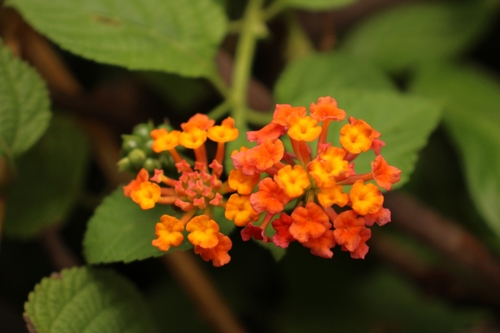
Landscape Uses
Style Tags
South Florida Growing Guide
Light Requirements
Water Requirements
Once established (12–18 months), New Gold Lantana is drought-tolerant and requires minimal supplemental irrigation in South Florida.
Very low water once established. 1-2x per week dry season.
Soil and Fertilization
Fertilizer: Balanced or bloom formula.
Schedule: February and September balanced fertilizer.
Salt Tolerance
- Mature Height
- 2–4 ft
- Mature Width
- 3–6 ft
- Growth Rate
- fast
- Water Demand
- 1/10
- Florida Grade
- Florida #1
- Installed Cost
- $
- USDA Zones
- 8a, 8b, 9a, 9b, 10a, 10b, 11
- FLEPPC Status
- None
- Iguana Rating
- 5/10
Where to Buy in South Florida
Find New Gold Lantana at South Florida nurseries — check availability and pricing at nurseries near you.
Frequently Asked Questions
How fast does New Gold Lantana grow in South Florida?
New Gold Lantana has a fast growth rate. In South Florida's warm, humid climate it typically establishes quickly with proper watering and fertilization.
Is New Gold Lantana safe for pets?
New Gold Lantana is not safe for pets. Sterile cultivar produces minimal fruit. However lantana toxicity disclosure recommended as precaution.
How much water does New Gold Lantana need in South Florida?
Low water needs (1/10). Once established (12–18 months), New Gold Lantana is drought-tolerant and requires minimal supplemental irrigation in South Florida.
Can New Gold Lantana tolerate salt air in South Florida?
New Gold Lantana has moderate salt tolerance (4/10). It can handle some coastal exposure but should be protected from direct ocean spray.
Is New Gold Lantana available in Miami-Dade County?
In Miami-Dade County, New Gold Lantana is classified as: allowed. Allowed.
County Availability in South Florida
Miami-Dade County
Allowed. STERILE cultivar — NOT subject to FLEPPC Category 1 concerns.
✓ Coastal OK
USDA Zone 10a–11. Tropical climate, year-round warmth and humidity.
View County Guide →Broward County
Allowed and preferred. Sterile — no invasive seed production.
✓ Coastal OK
USDA Zone 10a–10b. Subtropical with warm winters and wet/dry seasons.
View County Guide →Palm Beach County
Allowed. Very common in Palm Beach County.
✓ Coastal OK
USDA Zone 9b–10b. Transitional zone with occasional winter cold in north.
View County Guide →Collier County
Allowed and preferred near Everglades/Big Cypress buffer areas..
✓ Coastal OK
USDA Zone 10a–10b. Subtropical Gulf Coast with seasonal flooding.
View County Guide →Monroe County
Allowed. Preferred over L.
USDA Zone 11. Tropical maritime, highest salt exposure of all 5 counties.
View County Guide →Always verify current county requirements before installation.
Ask about New Gold Lantana
Get answers grounded in UF/IFAS research and South Florida landscape data.